
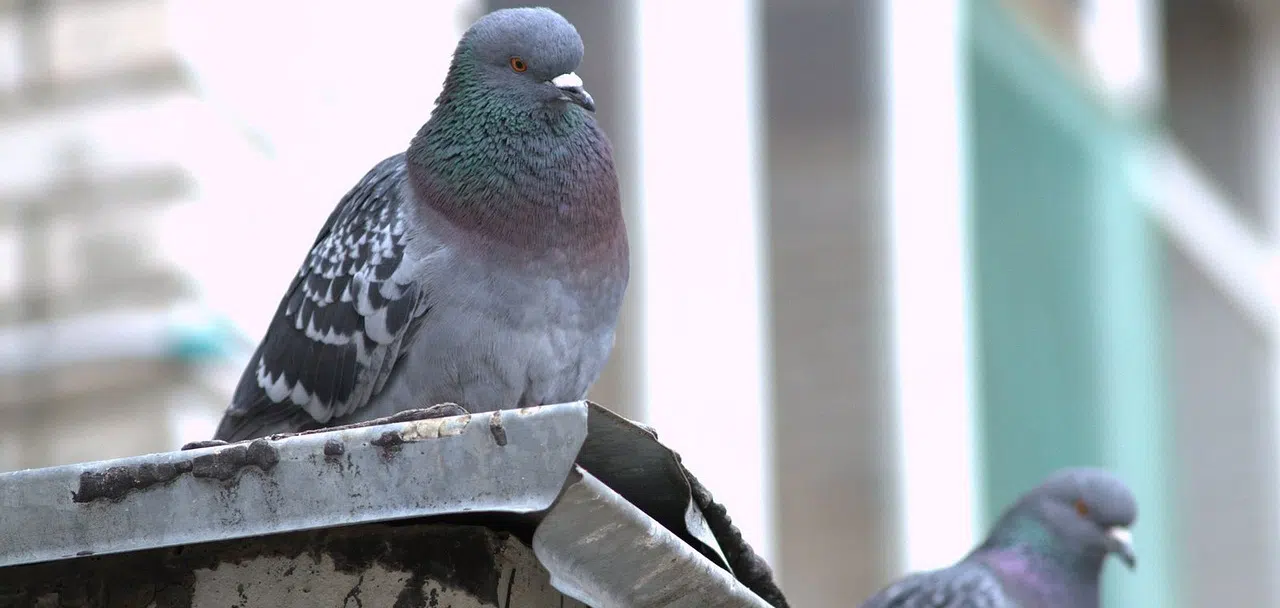
To a pigeon, a 40-story luxury condo or a glass-faced office tower isn’t just a building; it’s a perfect limestone cliff. The pigeons you see around Florida are descended from rock doves (Columba livia), originally native to Southern Europe, North Africa, and Western Asia, where they can be seen nesting on the cliffs surrounding the Mediterranean Sea.
However, the presence of these birds in Florida has come with some unique challenges—namely that the skyscrapers found in some of our largest cities provide pigeons with a perfect replica of their native environment. This is an especially notable problem in residential and commercial spaces, where pigeon guano becomes an immense, costly biohazard. Florida’s climate presents an additional problem: warm temperatures, which mean that birds remain in the area and nest year-round.
High-Rise Pigeon Life Cycle
High-rise buildings are the perfect places for pigeons. The birds prefer to nest in the elevated, sheltered areas on skyscrapers, making service corridors, covered ledges, rooftops, maintenance areas, and balconies highly attractive spots. They may also use these locations to roost but can be found perching virtually anywhere there is space. Such availability in nesting and roosting space in Florida’s cities, along with the state’s warm climate, allows pigeons to nest and produce multiple clutches year-round. In other words, the arrival of a single flock of birds can swiftly become a much bigger problem without intervention.
Risks of Pigeon Infestation in High-Rise Buildings
Human Safety Risks
While a pigeon infestation may only seem like an aesthetic concern at first glance, a serious infestation can pose a serious risk to human health and safety. Pigeons produce huge amounts of guano that can become a slip risk for maintenance workers, residents, and clients alike, especially around open ledges, parking decks, and critical maintenance areas. Similarly, pigeon guano is highly susceptible to mold and fungal growth. Inhaling spores from droppings can sicken immuno-compromised groups with histoplasmosis and cryptococcosis. This is an especially prevalent issue when droppings and pigeon dander make their way into buildings’ ventilation systems. Moreover, pigeons build their nests out of dry, highly flammable material, and do not discriminate with where they place them, making nests a serious fire hazard when they’re in proximity to electrical sources.
Structural and Building System Damage
Pigeon guano contains uric acid, a biological acid that has been noted to degrade and accelerate the decay of many different materials. Stone, brickwork, concrete, marble, and even metal are susceptible to erosion from uric acid and the moisture trapped within droppings. Buildup of pigeon droppings not only leads to staining and material degradation, but also triggers mold and bacteria to grow in/on more porous materials. Pigeon nests are also notorious for blocking gutters, drains, and vents, which can damage building maintenance structures.
Reputation and Financial Consequences
Besides the threats posed to human health and building safety, pigeon infestations can prompt increased scrutiny from residents. The buildup of droppings, dander, and nesting material can quickly become a nuisance for building occupants and their visitors. A lack of intervention may mean repercussions from local health departments and building insurers, which damages the value of the property and drastically harms leasing appeal.
Why High-Rise Pigeon Infestations Are Harder to Control
Pigeon control on high-rise buildings presents some unique challenges. Most obviously, gaining vertical access to the building and places where pigeons frequent can be difficult. Wind pressure and exposure to Florida’s weather conditions—especially thunderstorms—makes working in such elevated positions on buildings hazardous. Building access is heavily regulated for the safety of staff and residents. For these reasons, many pigeon control solutions that can be utilized for more ground-level buildings simply do not work for high-rises. The proximity of high-rises to each other can also complicate matters, as pigeons from neighboring buildings that are not mitigating the problem can re-enter the space if control efforts are not consistent.
How to Get Rid of Pigeons in High-Rise Buildings
Before Pigeons Start Nesting (Prevention)
When it comes to pigeon infestations, prevention is key. The first step is identifying the sites where pigeons roost; these will inevitably become places that pigeons nest and therefore worsen the problem. Implement behavioral deterrents such as bird spikes, ledge protection systems, gap sealing, and other exclusion methods where pigeons gather on the building. These deterrents will make the building less appealing to nest and roost upon and discourage birds from settling in long-term.
During Nesting (Logistical and Legal Challenges)
The beginning of pigeon nesting greatly complicates removal. The Migratory Bird Treaty Act (MBTA) is a federal law that prevents the unauthorized killing, removal, or disturbance of native migratory bird species. While pigeons are not protected under the MBTA in the United States, nest removals or lethal control efforts that accidentally catch MBTA-protected species in their crosshairs can carry serious legal consequences. Always contact licensed professionals to handle nest removals and exclusion, as poorly implemented control efforts can be ineffective and inhumane.
After Nesting (Decontamination and Proofing)
After pigeons have nested on the building, pigeon removal and biohazard cleanup should be considered depending on the severity of the infestation. The remains of pigeon guano and nests can actually attract future flocks, so removal is critical to ensuring that birds do not return to the area long-term. This includes control of waste and odor, as well as the installation of permanent deterrence features to exclude any future flocks. Infestations that have been cleared from buildings rarely stay away, so implementing a plan for future monitoring, maintenance, and response to bird pressure is essential to a removal plan.
 What Is the Best Pigeon Deterrent for High-Rise Buildings?
High-rise buildings require professional, specialized pigeon deterrents for tall buildings that can withstand wind, weather exposure, and the logistical challenges of working at extreme heights.
Bird Netting Systems
Netting systems deploy nets made of various materials over places that birds frequent, such as pipes, balconies, and parking decks. When custom-made and consisting of materials that can resist Florida’s climate, nets can be a promising solution to smaller spaces with bird problems, or to exclude them from sheltered maintenance areas. However, netting systems on high-rises must account for the pressure from high winds and constant weather exposure. Many bird exclusion nets are not made to resist these conditions and may fail at-height. Similarly, nets can be a challenge to anchor over larger, open spaces without damage to the building’s exterior or the nets themselves.
Ledge Protection Systems
Ledge protection systems utilize custom-made metal ramps or wire devices that prevent pigeons from perching on ledges altogether. Ramps, especially when made of metal, are slick and have no purchase for the birds to perch or construct nests. Slack wire systems also make ledges unstable for any landing or perching birds, and some wire systems may even come with a function that gives birds a small, harmless shock upon contact. Ramps are highly effective at preventing perching altogether but must be custom-made. As expected, places with larger surfaces may be especially costly to cover and may impact the aesthetic of the building if visible from the ground. Wire systems are less noticeable to the eye from the ground, but any electric-shock systems require a source of electricity. Due to the fragility of wire systems as compared to ramps, they may also need more frequent maintenance and repair.
Bird Spikes
Bird spikes are spikes or studs placed on ledges to deter bird perching and nesting. Spikes can be made of varying materials and come in many shapes and sizes, which can impact their effectiveness. Pigeons—and even their nests—don’t seem to be deterred by long, thin metal spikes. In fact, there are numerous cases of pigeons even using these spikes to stabilize their nesting materials or pulling them off ledges altogether. Spikes are best utilized on thin ledges and when they can make uneven surfaces with few gaps in between. This deters even desperate birds from perching or finding space to cram nesting materials between spikes. Wind exposure is also a significant concern for bird spikes, so buildings considering bird spike placement should assess each location before installation. Wind can not only tear spikes free from ledges but also stick them full of debris that makes them less effective.
Falconry
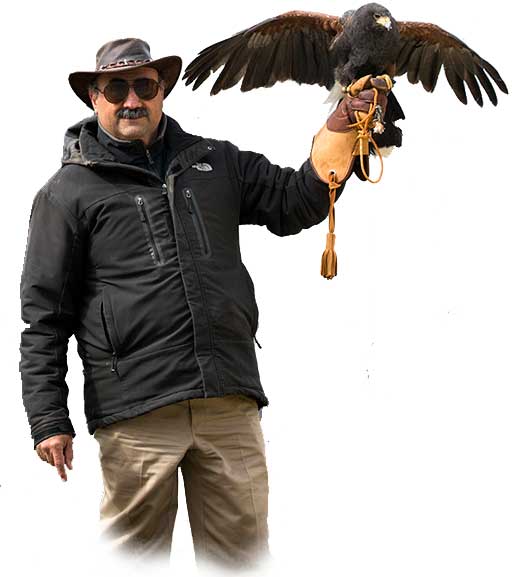
Falconry is the flight and handling of trained birds of prey. It’s used as a bird deterrent strategy in high-rises and skyscrapers across the country, presenting a less invasive method of bird control. As opposed to deterring perching and nesting with something like spikes, falconry uses the behavior of pigeons as prey animals—and their avoidance of areas where they know predators to be—to drive them away from an area long-term. This is especially convenient for high-rises in close proximity to other buildings with pigeon infestations, as it helps deter repeat infestations from neighboring buildings. However, falconry does need to be used consistently to have an effect on bird flocks in the area, and it can only be done by licensed professionals.
Laser Deterrents
Laser deterrents use light to startle pigeons away from perching and nesting spots. While effective in some cases, the use of light means laser deterrents are less effective in sunlight. These are commonly used in parking garages, maintenance corridors, and other areas that are heavily shaded during the day. However, special considerations must be made for any lasers placed on upper building levels or rooftops. Similar to how the FAA regulates rooftop lights on buildings above a certain height, they also regulate the use of lasers in airspaces. Laser devices that are not properly installed with these regulations in mind may prompt heavy fines and even jail time if they interfere with air traffic.
Is Pigeon Trapping Possible in High-Rise Buildings?
While pigeon trapping is a solution deployed by countless high-rises, it is only a temporary solution. Trapping best serves as a temporary tool to reduce the numbers of pigeons in an area, but without other control measures, these voids in population can swiftly become filled with birds from neighboring flocks. Trapping alone is rarely enough to remove pigeons from towers and prevent future infestations, as nearby flocks can quickly return to areas that remain attractive to birds. It’s best paired with other methods of bird control that make the building unappealing to flocking birds, such as ledge protection, spikes, falconry, and laser deterrents. Live trapping animals of any kind—even invasive species like pigeons—also comes with a host of legal considerations that makes DIY attempts without professional help risky. Pigeon trapping should be a single piece of a larger, multi-pronged solution, and not the sole focus of control measures.
Residential vs. Commercial High-Rises
Residential Skyscrapers
It is no secret that residents pay for a view. As such, pigeon control measures on residential high-rises must focus on preserving the privacy, safety, and aesthetic concerns of building residents. Bird netting, spikes, and ledge protection systems must be deployed in areas that are low-visibility in relation to residential spaces and do not interfere with views. Special consideration must also be taken to ensure that all solutions brought to the table are safe for residents’ pets, children, and the residents themselves.
Commercial High-Rise Buildings
Pigeon control for commercial buildings is an important part of maintaining guest safety, building function, and the overall property experience. While view and aesthetic concerns are still vital, guest experience, health, and preservation of building function take priority. Rooftop decks and corridors may not have residents to be seen by, but pigeons favor these low-traffic areas wherever they can be found. Control measures must focus on these hidden areas and ensure that buildings are safe and sanitized for guests.
Why DIY Pigeon Control Fails for Skyscrapers
The Safety Crisis
There are many reasons DIY pigeon control fails for high-rises, but safety is the most significant. Trusting residents, commercial tenants, or untrained maintenance workers to install bird deterrence devices at-height is a recipe for disaster, especially on ledges or near sensitive building infrastructure. Not only is this a significant safety risk for individuals, but it’s also a liability for the building. Improperly installed bird deterrents, like nets and spikes, are also prone to becoming airborne debris in the event of a storm or high winds. These can not only snag on neighboring buildings but also cause significant damage to them and the property of residents.
The Sanitation Myth
Decontamination of a pigeon infestation is something that should only be left to properly outfitted professionals, not building residents or commercial tenants. Power washing and spraying can jet particles of pigeon guano into the air and aerosolize fungal spores that cause respiratory infection in vulnerable groups. These infectious particles can also end up being circulated through neighboring ventilation systems. Wild pigeon guano, nesting materials, dander, and the birds themselves should never be handled without PPE or without considering the safety of residents.
Why Choose Hawkeye for Pigeon Control in Florida
Decades of Proven Experience
Hawkeye Bird and Animal Control has over 30 years of experience navigating the unique structural and logistical challenges of bird control on high-rises and skyscrapers. We have a history of successful partnership with both luxury rental HOAs and corporate boards across south Florida and are happy to address each location’s specific needs.
Comprehensive Mastery of All Exclusion Types
Hawkeye has extensive experience installing bird exclusion devices to endure the harshest of Florida’s weather. We specialize in assessing each site and tailoring control measures to each, as well as ensuring that all systems are set up for success.
Industry-Leading Falconry Expertise
Hawkeye is an industry leader in bird abatement falconry for high-rises and skyscrapers. We utilize a natural, biological deterrent to not only clear pigeons from sites but also keep them away long-term when other deterrence methods have failed.
Fully Licensed and Safety-Compliant
Hawkeye Bird and Animal Control is dedicated to being legally and safety-compliant. We possess all required federal and state licensing required to conduct safe, humane bird management in high-access environments. We adhere rigorously to OSHA standards and dedicate ourselves to working within the limits of each location, so that bird problems become a thing of the past with little liability for clients.
Call Hawkeye today to protect your Florida high-rise building from pigeon damage.