
While grackles are ubiquitous year-round in Florida, fall marks an important shift in flocking behavior that can worsen existing nuisance grackle issues.
Boat-tailed grackles (Quiscalus major) and common grackles (Quiscalus quiscula) primarily breed and nest in small groups during spring. In fall, these groups begin to congregate and settle in large, multi-species colonies that can be a headache for the locations where they choose to roost and forage.
While early intervention is the best—and most cost-effective—strategy to prevent these flocks from getting too comfortable and remaining in the area long-term, most property owners don’t know that intervention is even necessary until it is too late in the season. Understanding what grackles are doing during early autumn can help one determine the most effective grackle control strategy.
How Grackle Behavior Changes in Early Fall
Both boat-tailed and common grackles nest during the spring. When the year’s young leave the nest, these family groups remain together while the fledglings learn to fly and receive continued support and feeding from their mothers.
During the summer season, these smaller family groups combine as juvenile birds grow more independent and begin to fly on their own. Summer also marks a period of increased movement between foraging and roosting areas, with this activity continuing to increase later into the season.
Smaller family groups begin to combine into larger, mixed-species flocks starting in early fall. These flocks are highly opportunistic as the grackles start to assess locations for foraging and roosting over fall and winter. Early fall flocks make themselves much more noticeable when they descend on restaurants, hotels, and other areas, becoming emboldened by their growing numbers to target food sources. While early fall flocks of grackles can be quite a nuisance, their behavior in the early days of the season is only a preview of the height of their activity in the autumn.
Why Properties Experience More Grackle Behavior in Fall
Grackle flocks need little to thrive on a property. While their activity may be slow in Florida locations over summer—mostly due to the overwhelming heat and the lack of tourists spending time outdoors—bird activity increases as more resources become available later in the year. Grackles primarily search for reliable sources of food, so outdoor kitchens, pool decks, and restaurant patios are prime locations to keep the flock fed and coming back throughout the season. Similarly, reliable sources of water for drinking and bathing to cool themselves are highly attractive to surveying flocks. Grackle problems can only be compounded when these attractors are combined with safe overnight roosting spots and open areas where birds can gather, encouraging them to remain in the area and exploit its resources for as long as they possibly can.
Signs Your Property Is Developing a Fall Grackle Roost
There are several signs that indicate that a grackle roost may be forming on a property. There may be a noticeable uptick in grackle activity around the clock, with bird sightings becoming more frequent. Grackles may also continuously return to the same place—especially shade and palm trees—every evening and begin to establish a roost. This means that the birds are staying at the location overnight. Multiple perching locations that may have seen little activity over the summer can also become significantly more active and are often covered in bird droppings. Grackles prefer high perches where they can survey food, so trees around outdoor dining areas and pool decks quickly become bird hotspots. The increase in activity also leads to more customer and guest complaints, especially if birds are stealing food. By the time property owners start seeing the signs of a grackle roost beginning to settle in the area, it is already past time to act.
Why Early Fall Is the Perfect Time to Get Rid of Grackles
Early fall gives property owners the best opportunity to act before grackle problems worsen. Because the birds are still gathering and have not yet formed a strong connection to the site, flocks will be smaller and easier to deter. Additionally, because roosts and colonies have not yet had the chance to establish themselves, there will be less property destruction and required cleanup and fewer customer complaints to manage. Prevention measures are also much more cost-effective at this stage, as well as more flexible to the needs of each location.
Early Fall Property Inspections for Grackle Control
Prevention may be the key to ensuring that a grackle flock does not settle on property, but it rarely works well without an initial assessment. It is important to know where bird issues stem from and the places individuals and flocks frequent the most. Note where birds commonly congregate and make repeat visits to, as well as the locations from which customer complaints originate.
Common roost sites should be inspected for bird activity, particularly palm trees, parking lots, shaded rooftops and patios, outdoor dining areas, water features, and high “scouting” perches near areas where food is served. Assessment must continue into the evening so that any overnight roosting locations and other problem areas may be noted as well.
An initial inspection can help property owners gauge the severity of their bird problem and determine what tailored combination of grackle removal and/or preventative measures is the most appropriate course of action.
 Best Grackle Prevention Strategies for Early Fall
Prune Trees Before Large Roosts Become Established
Grackles love to gather under thick canopies that provide ample perching and nesting sites. The process of thinning tree canopies—especially trees closer to dining areas—not only removes these perches but also gives birds fewer places to hide when they are attempting to steal food. Removing dead, overcrowded branches and palm fronds eliminates prime perching locations and makes these locations less attractive to grackles.
Any pruning should generally be scheduled before roosts become well-established, but even done late, pruning can still make trees unattractive even to more established roosts. When combined with other methods of professional bird control, tree pruning is an effective way to prevent grackle roosts from becoming established.
Inspect Properties for Emerging Roost Locations
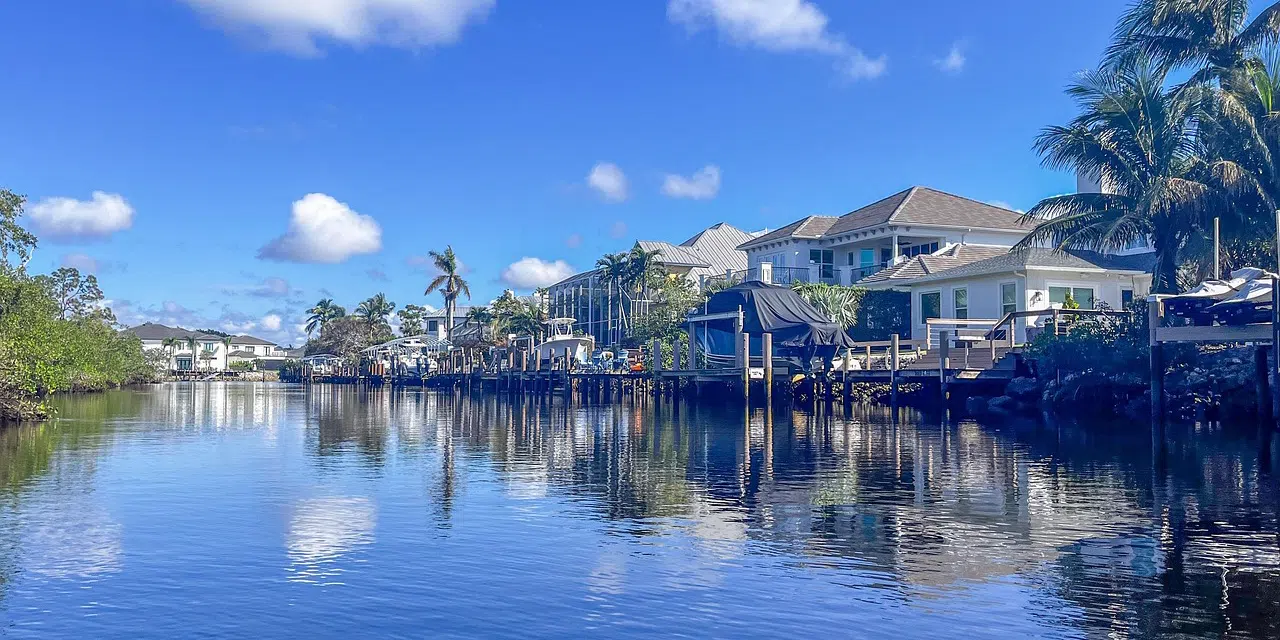
Initial inspections are best conducted in early fall. Grackles favor locations such as parking lot islands, palm canopies, planters, courtyards, community parks, marina docks, and large landscape trees to establish roosts. These locations should be regularly inspected throughout the season to ensure that birds are not gathering on a recurring basis in specific areas.
Remove Food Sources Before Flock Sizes Increase
As grackle flocks grow throughout the season, even the smallest bits of available food become bird magnets. Extra care should be taken to ensure that outdoor dining areas are kept clean and tidy of food waste and that any uneaten food is either covered or removed. Outdoor events that leave behind a big food mess are especially attractive to grackles, as many birds in urban areas seem to have learned that food can be found where people congregate. Trash receptacles must also be covered and kept from overflowing, and any fallen fruit from ornamental trees must be disposed of.
Manage Water Sources Where Practical
The heat of late summer and early fall means that grackles still rely heavily on stable water sources. While this solution isn’t always practical, some water sources might need to be removed during periods of low tourist or guest activity. Grackles prefer to utilize fountains, retention ponds, splash pads, irrigation overflow puddles, and other water sources to drink and bathe. Temporarily reducing the number of decorative or recreational water sources can help make an area much less attractive to surveying flocks.
Increase Evening Monitoring
One of the biggest mistakes made during early fall monitoring of a property is only conducting an assessment during business hours. Grackles may spend all day at one location and settle in another to rest overnight if they find a suitable roosting location, so little activity during the day may not always indicate that there is no bird problem.
Conduct site monitoring 30–60 minutes before sunset, as this is the period of time where most birds find locations to roost for the night, and note where birds consistently seem to settle. Knowing which trees or structures are allowing grackles to roost is key to removing them from the area. Additionally, evening monitoring allows property owners to get an idea of how many birds are on the property and to note if their numbers are growing.
Address Small Flocks Before They Grow
Early fall is the last chance to intervene before grackles establish site fidelity. Any monitoring should note an increase in the number of birds, as growing flocks need to be addressed quickly. Property owners should not ignore smaller flocks of 10–20 birds that repeatedly return to one location. These smaller groups are often just the start of a larger problem; they will even draw in more birds from the surrounding area to join them throughout the season. Early intervention for these smaller flocks can not only prevent a big headache down the line but also requires fewer resources.
Coordinate Landscape Maintenance with Bird Control
While landscape maintenance alone cannot solve a grackle problem, coordinating landscape work and bird control can be a highly effective way to deter flocks. For example, tree pruning can be scheduled during early fall, first targeting the trees birds seem to be favoring or that may prove to be an issue later in the season. Vegetation where birds hide near restaurants and other dining areas can also be targeted for trimming to remove hiding spots and maintain a clear line of sight around guest amenities. Landscapers or groundskeepers should also remove any organic debris that can attract grackles to the area, such as fallen nuts and fruit.
Schedule Professional Grackle Control Before Peak Fall Roosting
Rather than waiting for flocks to grow and become a bigger issue, property owners should prioritize professional grackle prevention before problems begin. Professional intervention must be considered when there is a noticeable increase in bird activity, including roosting and returning to the same general area throughout the day. An increase in customer complaints and cleaning requirements are also an indicator that professional intervention is needed to disperse a forming colony.
While DIY solutions may seem tempting, improperly implemented grackle control may not have the intended effect and won’t be as long-lasting as professional bird prevention.
Properties That Should Prioritize Early Autumn Grackle Control in Florida
Location and timing are everything when it comes to grackle control and prevention. As summer transitions to fall and Florida sees a much milder climate, tourism picks back up and residents begin spending more time outdoors, which can magnify bird issues. For optimum grackle prevention, hotels, resorts, shopping centers, and tourist attractions should target the period before their seasonal foot traffic increases. HOA communities and parks must also prepare in early fall for residents to begin spending more time outdoors and attending seasonal events. While these are all areas that experience dramatic changes in seasonal foot traffic, areas that experience year-round issues, such as office parks, marinas, and parking lots could always use early fall grackle control to disperse existing flocks and discourage nesting behavior.
Professional Grackle Prevention and Control
Professional programs focus on humane grackle control techniques that discourage birds from settling on your property while remaining compliant with wildlife regulations.
Falconry
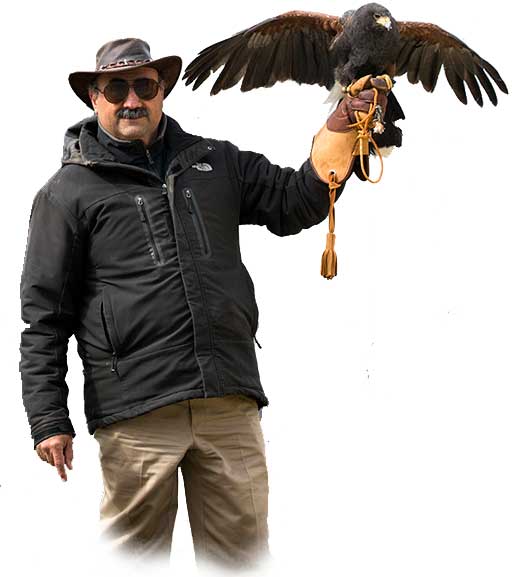
Falconry is incredibly useful for dispersing forming colonies. The consistent presence of a bird of prey tells incoming birds that an area is not safe for roosting or nesting, using their natural fear of predation to keep them away from sites long-term. The effect is magnified when the flocks to disperse are much smaller and not yet comfortable at the site—making the flock far less likely to come back once they have been scared away. While falconry does require a licensed professional to conduct, it is a highly effective, natural method for deterring birds that have already begun to establish themselves in an area.
Lasers
Lasers can be a great way to disperse flocks that are settling in shaded areas to roost. While less effective in direct sunlight, automated laser systems and handheld lasers are effective at scaring birds away from areas where they may be settling down to form a colony.
Installation of automated laser systems is fairly straightforward, but such devices must be installed in the correct area and may require continued maintenance in Florida’s weather conditions. Handheld lasers may require less maintenance than automated laser systems but must be utilized with care around guests and never aimed up into the air. Improper laser use can disrupt aviation traffic and land the user with heavy fines and even jail time.
Pyrotechnics
Pyrotechnics may only be practical in a few circumstances, but they can have a dramatic effect on gathered flocks of grackles. Because this involves the use of firecrackers and other devices that produce loud sounds, pyrotechnics should only be performed in open, non-residential areas. This method may also require prior authorization with local law enforcement to ensure you aren’t disturbing or putting the community in danger.
Hire Hawkeye
Hawkeye Bird and Animal Control provides professional bird control services throughout Florida using customized prevention strategies designed for each property's specific challenges.
With over 30 years of experience with grackle control and prevention, we specialize in falconry, lasers, pyrotechnics, and other prevention methods tailored to each client’s individual needs. Hawkeye is also strongly committed to compliance with local, state, and federal law; our field technicians meet all permitting and certification requirements necessary to conduct professional bird control and prevention in the State of Florida. Hire Hawkeye for your fall grackle prevention—expert-led and tailor-made for your property.
Contact Hawkeye Bird & Animal Control today for early fall grackle prevention!
Contributing writer and researcher: Riley Sullivan