
The State of Florida boasts one of the richest agricultural sectors in the United States. The state is known for its vibrant crops of citrus and strawberries, but winemaking in particular has become a staple of tourism and agribusiness in the Tampa Bay area.
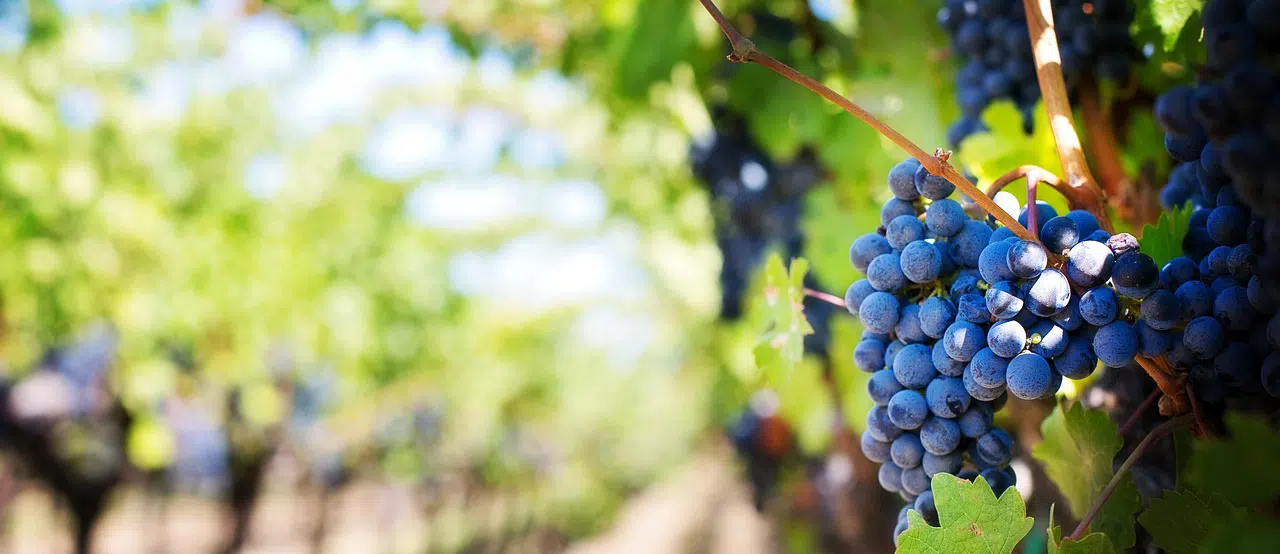
While Tampa Bay’s coastal proximity makes it the perfect location for dozens of vineyards and wineries, it also means that local vintners and wildlife often fall into conflict. Birds can be especially destructive to growing fruit; a single flock can destroy over 20% of a harvest! On top of their destructive feeding habits, birds can also quickly become a nuisance around tasting rooms, restaurants, and other attractions. In these situations, bird control for agritourism wineries and vineyards requires a multifaceted approach that is considerate of crop yield, hygiene, and guest experience.
Bird Species Affecting Tampa Bay Vineyards and Wineries
There are multiple species– both native and nonnative– of concern to Tampa Bay vineyards and wineries.
Boat-Tailed Grackle (The Coastal Menace)
Chief among Florida pest birds are boat-tailed grackles (Quiscalus major). These native grackles are infamous for being exceptionally bold and exhibiting very little fear of humans, even preferring to nest and flock in areas rich with available human food. Flocks often stick to coastlines and use them as flight paths to ‘raid’ vineyards and restaurants, pecking and damaging fruit and stealing food right from guests’ plates before retreating into tall trees or shrubs. This can make boat-tailed grackles especially frustrating to deal with in guest settings.
Feral Pigeon
Similarly, invasive feral pigeons (Columba livia) can be a menace to processing buildings, guest attractions, and restaurant patios. While not as bold as grackles, pigeons are of great concern to guest hygiene and experience. Not only is their guano a health hazard around food and drink, but it is also highly corrosive to paint, metal, brickwork, and stonework.
European Starling
Another invasive species that can devastate a winery is the European starling (Sturnus vulgaris). Starlings are known for their massive, swirling flocks (or ‘mumurations’) that descend all at once to feed. A large murmuration is capable of stripping an entire row of crops clean within a single afternoon, and the absence of effective control measures often means the flock will return again at a later date.
Migratory Robins and Waxwings
While many of the species that affect Tampa Bay vineyards and wineries remain in the area year-round, control measures also need to take migratory species that target ripening fruit, such as American robins (Turdus migratorius) and cedar waxwings (Bombycilla cedrorum) into account.
The Vulnerability Window: Veraison in a Tropical Climate
The Veraison Period
Veraison marks an especially vulnerable time of year for vineyards. As grapes ripen, sugar content in the fruit increases. This unfortunately makes the fruit even more attractive to raiding nuisance birds, whose activity can peak when grapes are at their most sensitive.
The Tampa Humidity Factor
Florida’s humid climate also means that fungal infections and rot spread easily, especially when fruit is damaged by birds. Aside from hygiene concerns, damage during veraison can spoil and ruin the taste of an entire season’s crop.
Why Tampa Bay Vineyards are Vulnerable to Bird Damage
When nesting and the rearing of offspring, it is not uncommon for birds to increase their pressure on the nutrient-rich fruit in vineyards and exhibit more aggressive, persistent behaviors. Warm winters allow year-round bird presence, so Tampa Bay’s climate and proximity to the ocean make it a prime location for hungry nuisance birds.
Warm winters allow year-round bird presence
Tampa Bay’s climate and proximity to the ocean make it a prime location for hungry nuisance birds.
- Proximity to urban development and water sources
The proximity to other locations (urban and residential) can also complicate control measures, as access to other easy food sources nearby, such as exposed trash and restaurant patios, can keep birds in the area for extended periods. - Limited hunting or lethal control options
City and county ordinances may be hesitant to allow the use of specific bird control measures in proximity to these areas. - Overlapping nesting and feeding seasons
Florida stays warm year-round, which allows large flocks of problem species to maintain a heavy presence throughout the entire year. Additionally, this means that birds remain in the area to nest and raise young.
Why Common Bird Deterrents Fail in Vineyards and Wineries
There is no shortage of ways to control birds on the market. However, very few products marketed as a bird deterrent for vineyards account for the behavior of the nuisance birds, can handle Florida’s harsh climate, and are considerate of surrounding communities and ecosystems.
Static Visual Deterrents (Decoys)
Static deterrents, such as fake owls, hawks, and snakes, are very quickly figured out by birds– usually within 48 hours. Even when these deterrents are programmed to move and make sound, birds often use them as perches to scout out the next table or row of crops.
Standard Netting
Netting is also widely utilized, but it's not aesthetically pleasing or well-adapted to Florida’s climate and weather patterns. Low-quality netting may sag under heat and rain and even rot over sensitive crops. Netting can also have the unfortunate side effect of trapping non-target native species, which commonly leads to injury or death.
Acoustic Deterrents
Similar problems arise with acoustic deterrence devices such as cannons that disturb surrounding communities and lead to noise complaints and municipal fines.
How to Protect Grapes From Birds: Best Bird Control Measures for Tampa Bay Vineyards and Wineries
While many of the widely available bird deterrents on the market may not be effective for use in vineyards and wineries, there are methods of control that can address such large-scale problems.
Falconry (Birds of Prey) – Best Overall Solution for Vineyards
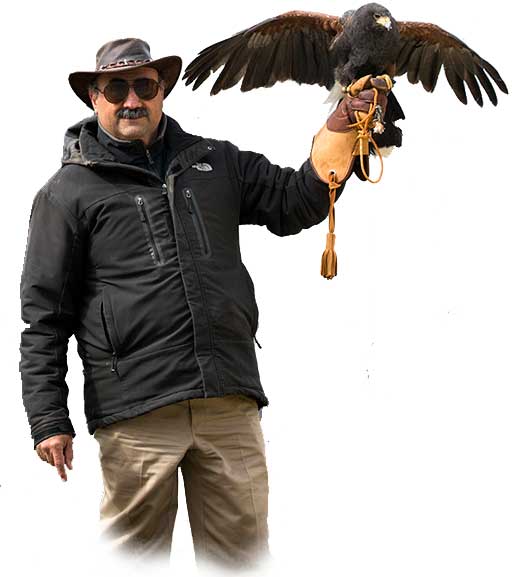
Falconry, the flight of trained birds of prey on-site, requires trained and permitted professionals but is a remarkably effective form of bird control used by countless vineyards throughout the country. Whereas birds swiftly adapt to decoy raptors, the flight of real, highly trained raptors provides a pressure that nuisance birds cannot adjust so readily to. Highly social birds, such as grackles, starlings, and pigeons even alert one another to the presence of a predator, which can help cover a much larger area. Falconry is also both quiet and considerate of the environment, offering a far better solution that does not disturb guests or damage surrounding communities.
Strategic Netting (Targeted Use Only)
In addition to falconry, strategic use of stationary deterrents can be highly effective. Though impractical for full vineyard installation, quality netting can be used to protect high-value grape blocks or vulnerable vineyard edges. This can also be useful as a short-term protection measure, but does require labor-intensive installation and removal.
Lasers & Visual Deterrents (Limited Vineyard Applications)
If vineyards are experiencing increased bird pressure in the evenings or in areas with low human foot traffic, the use of lasers and other visual deterrents may help curb bird activity by disrupting landing and roosting behavior.
Lasers especially are ineffective in full sunlight, and birds can adjust to their presence over time, but they’ve proven to be an effective supporting tool in removing problem birds.
Electric Wire & Shock Track Systems (Structure-Specific Control)
Electric wire and shock track systems are static deterrence systems that are best suited for installation on rooftops, signage, ledges, pergolas, and other overhangs that prevent landing and nesting behaviors. These devices deliver a startling but harmless stimulus upon landing. For this reason, they require professional installation, removal, and maintenance. Wire and shock track systems are great for use on buildings, but they cannot cover entire vineyards or cut down on flocking behavior in the fields.
Why Tampa Bay Vineyards Need a Multi-Layered Approach
Ultimately, there is no single solution for deterring birds from vineyards and wineries in Tampa Bay. Instead, effective bird control strategies combine multiple methods tailored to each individual site’s needs.
Falconry is the best method of large-scale bird deterrence in open vineyards, but static deterrents such as targeted netting and electric wire systems provide additional protections for buildings, high-value crops, and other vulnerable locations on-site. This combination of multiple time-tested methods prevents birds from simply shifting locations within the vineyard and keeps a persistent pressure on nuisance birds, which discourages them from returning.
Do’s and Don’ts if Birds are Already Feeding in Your Vineyard
If birds are already feeding in your vineyard or winery, one of the best ways you can address the problem is being proactive. Act before veraison and peak harvest, as effective bird control during grape harvest becomes far more difficult once birds establish feeding patterns in the vineyard. Solutions must focus on vineyard-wide deterrence with knowledge of the specific species being countered and the areas that are being the most heavily targeted.
If you wait until bird problems peak, you will teach birds that your vineyard is a reliable, easy source of food, and they will keep returning. Do not rely on a single deterrent method—especially not static ones that do not work—and be prepared to use a variety of methods depending on location and target species. Additionally, do not attempt to remove birds using lethal means.
Legal Considerations for Bird Control in Tampa Bay Vineyards
Deterrence may seem very tedious, but the lethal removal of birds has a whole host of legal ramifications. The killing or purposeful disturbance (nest and egg destruction/removal, poisoning, etc.) of the overwhelming majority of native species is outlawed by the Migratory Bird Treaty Act (MBTA), and violations can come with heavy fines and/or imprisonment.
While some nuisance native species have been issued depredation orders, these birds can only be lethally controlled in specific circumstances and permitting for such can be tricky to obtain.
Similarly, use of pyrotechnics and lasers requires permitting and work with local law enforcement. Navigating the legality of bird control measures can be a frustrating endeavor for a vineyard already dealing with bird issues, but it emphasizes the need to hire permitted professionals like Hawkeye Bird & Animal Control LLC. for large-scale work.
Why Choose Hawkeye for Tampa Bay Vineyard Bird Control
Hawkeye Bird and Animal Control has over 30 years of experience in bird and animal control in vineyards, wineries, hotels, resorts, and much more. We are proud to be the most experienced falconry-based bird abatement service in the state of Florida. While we do manage large-scale agricultural and commercial jobs, we tailor our work to the needs of each individual site with the aim of humane, long-term bird deterrence and population management. Our team of professionals is permitted to cover a wide range of services while being considerate of the guest experience and compliant with the law.
Bird control in Tampa Bay vineyards and wineries is a necessary part of business. Tampa Bay’s location makes it a prime spot for nuisance birds that target valuable crops, harass guests, and damage infrastructure. While commonly available bird control measures on the market may sound adequate, many of them are ineffective, cannot address the specific needs of vineyards and wineries, or handle Florida’s climate.
Contact Hawkeye For Tampa Bay Vineyard Bird Abatement
Effective bird control in vineyards requires a multi-pronged approach suited to the specific issues throughout such a large site, and must have the aim of long-term deterrence and management. Falconry and targeted use of static deterrence is a time-tested combination of methods used widely throughout the country. Call Hawkeye today at 1-833-833-4295