
Hawkeye Bird & Animal Control LLC News and Blog
- Dan Frankian

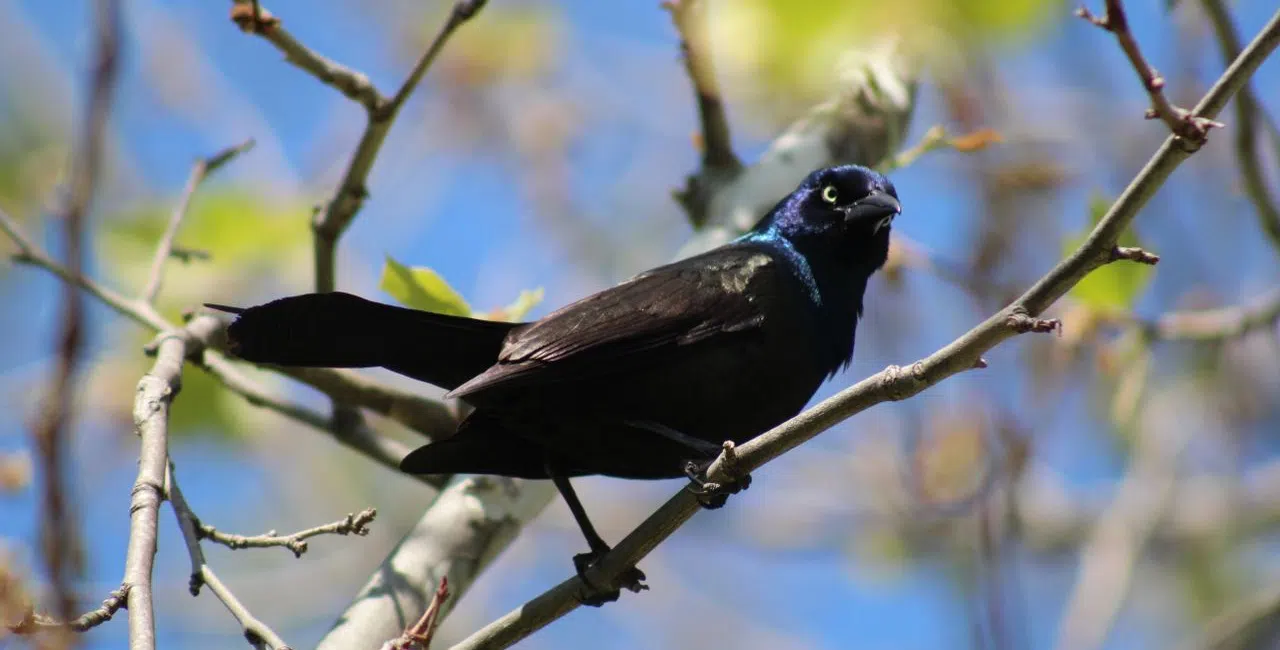
- Grackles are often considered pest birds due to their loud vocalizations, aggressiveness, large congregating groups and the mess they leave behind with their droppings.
- Grackles are frequently a nuisance at restaurant patios and resorts - they steal food from peoples' dinner plates and leave their droppings on people and their tables.
- Grackles are known to raid farm crops, particularly corn and other grains.
- Flocks of grackles are called a plague.
- Grackles are quite intelligent and have been seen using tools to crack open hard nuts to get the seed inside, much like crows do.
- Grackles can imitate sounds, including human speech and mechanical noises.
- They play a beneficial role in the ecosystem as grackles help control the insect populations and are a part of the food chain.
- Dan Frankian
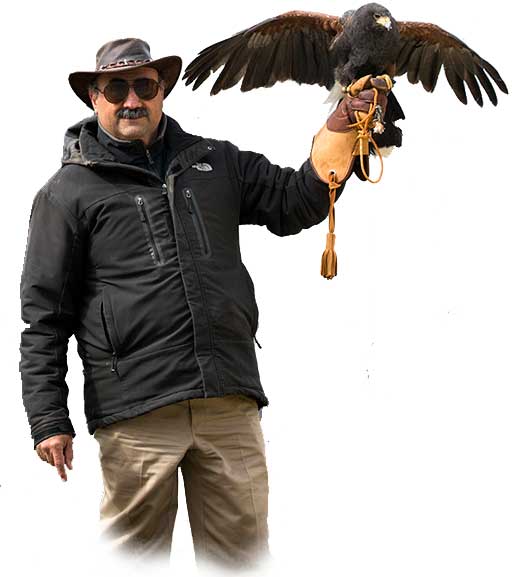
Harris Hawks (Parabuteo Unicinctus) are a favourite in the world of falconry due to their unique social behaviour, versatility and adaptability. Harris hawks are found in the southwestern United Sates, Mexico, and down into South America. They are the most frequently captive bred species of raptor used in falconry today.

Why are Harris' Hawks a Favorite for Falconers?
- Harris' Hawks are easy to train;
- Harris' Hawks are fast and athletic;
- Harris' Hawks have excellent situational awareness;
- Harris' Hawks are capable of the most complex and varied flight styles when handled by an expert master falconer;
- Their unique social behaviors make them more inclined to cooperate with others (the falconer, dogs, etc.).
Behavior and Social Structure
While most raptors are solitary hunters, harris hawks are known for their cooperative hunting tactics. They often hunt and live together in groups - usually family groups. One or two of them will flush out prey while the others in the group will actually take that prey down. This greatly increases their hunting success. Their social structure is rare among raptors. They. have been known to perform a unique behavior called “stacking” or “Back stacking” where they stand on top of each other in a stack of up to 4, or even sometimes 5 birds high. This may happen when there may not be enough suitable perches for them all to stand on their own, or when they want to gain a better vantage point to see prey or predators. They may do this for shade where the birds on top will spread their wings to shade those beneath them.
- Dan Frankian
For Restaurants, Hotels, Resorts and Golf Courses With Hawkeye Bird Control LLC
- What is Bird Abatement?
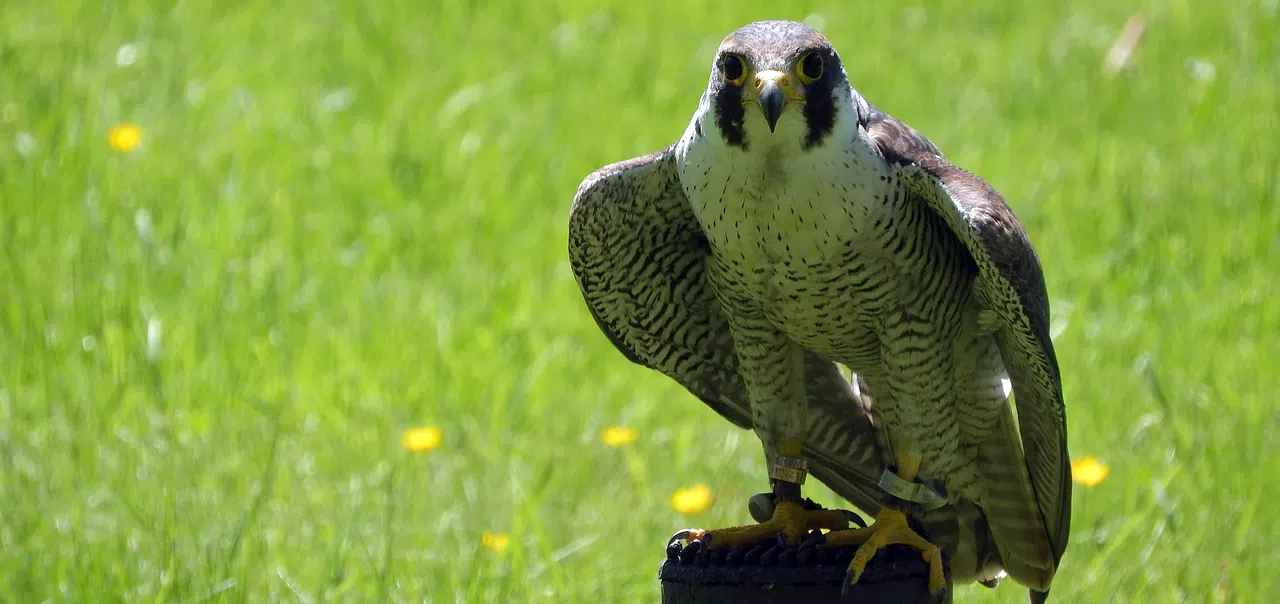
Bird control or abatement involves different methods to remove, eliminate and deter pest birds from an area. There are physical deterrents such as netting, bird spikes and electrical wire systems; visual deterrents such as fake decoys like scarecrows, fake owls, or using flash tape that move with the wind to scare birds away; auditory deterrents - noises that scare birds away. Visual and auditory deterrents typically only work in the short term - the birds get used to it very quickly and it no longer poses a threat to them. Habitat modification to remove food sources can deter birds. Hawkeye uses Falconry for abatement, our birds of prey scare pest birds away. - What kinds of Birds can be scared away using Falconry?
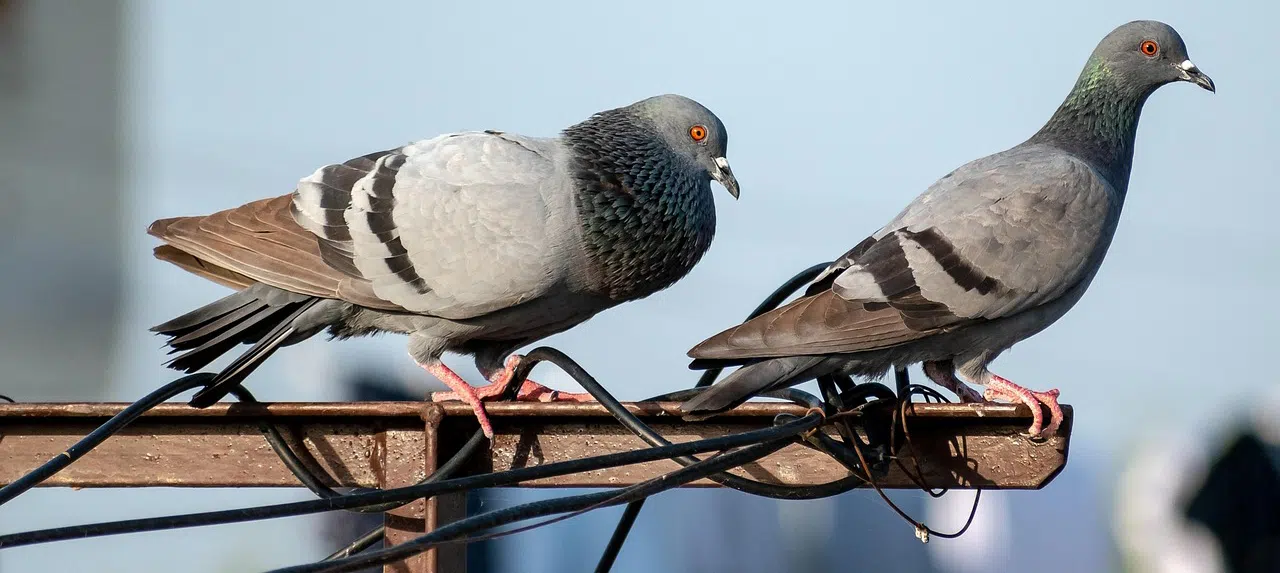
Pest birds is along list, including - grackles, doves, starlings, pigeons, seagulls, cormorants, swallows, crows, anhingas. - Can I use falconry for bird control in wildlife protected areas/sanctuaries?
Yes, falconry scares off the pest birds. Birds of prey are Mother Natures way of controlling bird populations and if done with all the proper state and federal permitting is perfectly legal.
- Dan Frankian

Bird migration from North America to Florida is a fascinating phenomenon that involves a diverse array of avian species. This natural spectacle is driven by various factors such as seasonal changes, food availability, and breeding instincts. We will explore the intricacies of bird migration, focusing on the journey of these winged creatures as they travel from the northern regions of North America to the sunny destination of Florida.
The migration of birds is a remarkable feat that showcases the adaptability and resilience of these animals. Many bird species embark on long journeys covering thousands of miles, and North America serves as both the starting point and a critical stopover for many of these migratory birds. One of the primary reasons birds migrate south is to escape harsh winter conditions that make it difficult to find food. Florida, with its milder climate, becomes an attractive destination for these birds seeking refuge from the cold. The intricate interplay of environmental cues, hormonal changes, and innate instincts drives these birds to embark on incredible journeys spanning thousands of miles. Florida, with its diverse ecosystems, serves as a vital destination for these migratory birds, offering a refuge from harsh winter conditions and providing essential resources for their survival. This article will explore how bird migration from December to March can negatively impact buildings and commercial activities.